

The key to successful social media pages for your business is knowing what is working and what is not. Running a social media audit is the best way to review what you’ve done so you can identify what you’ll do in the future. And if you don’t look at your social media insights or metrics because all the numbers and categories overwhelm you, just keep reading. Here’s how to run a social media audit for your company today so you can develop your strategy and continue to grow.
What to look for?
There are three key things to review: your numbers, your community, and the actual content details. The data will help you spot the best performing posts. Your community will inform your content topics and formats. And the details of your current content will help you set up your calendar. Let’s get started.
A social media audit in 5 steps
Step 1: Identify the right metrics
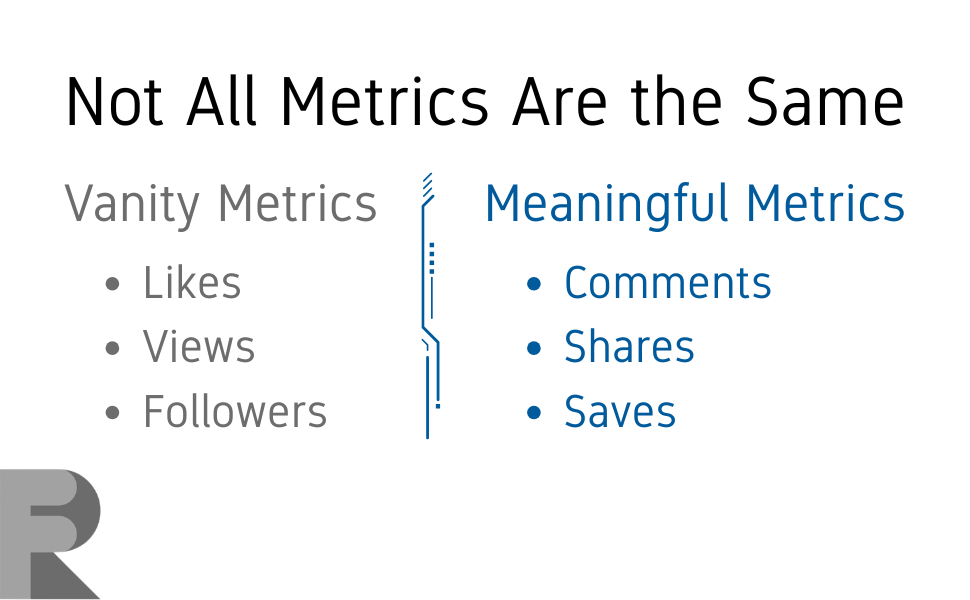
Likes and views are great but it’s better if you dive a bit deeper. Engagement is really what you want. More engagement means your posts get better circulation. So focus on comments and shares rather than follower count or views.
Use the same metrics across all platforms so your comparisons make sense. Review your overall engagement for each platform to identify where your content is resonating most. If you thought your audience was most active on Instagram but most of your engagement is happening on LinkedIn, you know you’ll need to make some adjustments.
After reviewing metrics at the platform level, identify the most successful posts based on engagement. Then identify what those posts have in common. As you find these patterns, you’ll be able to recreate them moving forward.
Step 2: Analyze your branding
This is your opportunity to catch uniformity issues. Your brand should match across all platforms. Your logos should be up to date, colors should match on all platforms, and you should confirm any links are working correctly and make sense for the platform where they are used.
Not paying attention to outdated branding and broken links leads to confused customers. Worse, it leads to mistrust as your customers don’t know if you’re active on the platform or legitimate if branding across sites doesn’t match.
Step 3: Review your content strategy
With metrics in hand, it’s time to review your entire content strategy. Write down the formats you’re using and let the data show you the ones that are working best.
Next, review your cadence (how often you publish content on each platform). Did you have a planned cadence and did you stick to it? If it varied, did any patterns develop? Maybe your content did better when you spaced things out a bit more.
Now, review your calls to action and the paths you’ve set up for purchase. If you included links in your posts, how many people clicked on them after reading? If those clicks went to specific landing pages, now’s the time to figure out which ones worked best.

Step 4: Evaluate your audience
If you don’t know who you’re speaking to, you don’t really have a strategy. You are creating content and hoping for the best. But that’s okay, it’s why you’re running an audit. If you’ve found even a small following, you now have a great opportunity to figure out your audience.
Analyze your followers and build groups that align with your type of business. For example, if you’re a manufacturer of equipment care products, you can separate possible distributors, equipment manufacturers, DIY’ers, and repair shops.
You should also ask yourself if the followers match your target customer. If your audience isn’t buying your products, you probably need to tweak the content you make so you attract the right audience.
Now use your data to review audience engagement, as well as your responsiveness. If you don’t answer audience questions or engage with insightful comments, they tend to dry up. Once you have a better grasp of your audience, you can see if there are ignored platforms that better align with the people you need to target.
Step 5: Summarize and determine action items
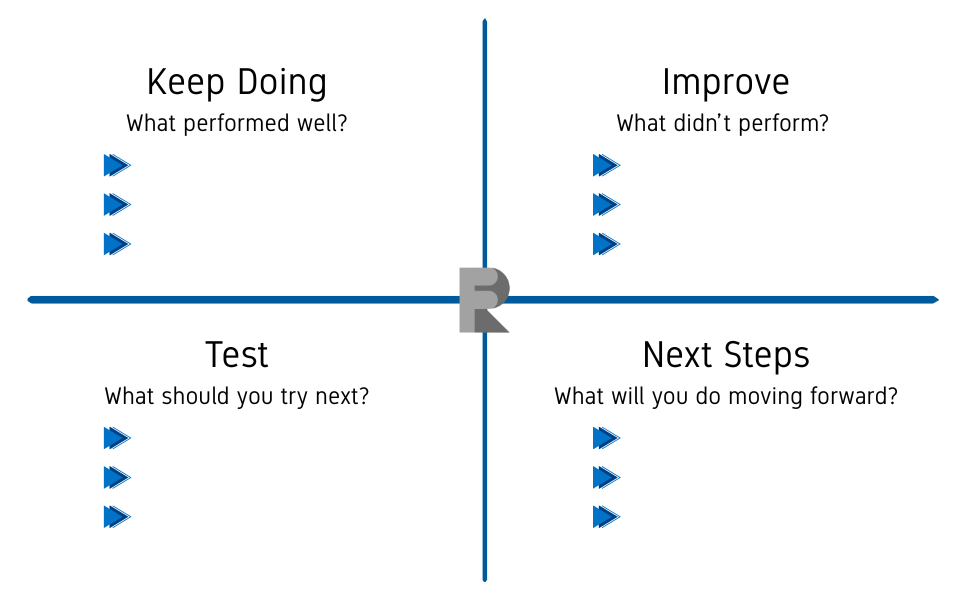
This is when your audit comes full circle and not only informs your strategy but becomes your strategy. Review everything you’ve encountered and identify the things that worked. Those are the things you’ll want to continue doing and perhaps with more effort.
Then, identify the areas of improvement and develop action items for the future. If you need to start posting on a new platform, that’s an action item. With this new strategy, you can now start a new quarter, year, or other period with confidence that what you do will yield growth.
What apps should I use for social media?
Now that you understand what it takes to complete the audit, you should know some of the options for social media performance tracking and scheduling. When you use scheduling apps, you lose some creative capabilities compared to posting directly on each social media app. However, you can remain creative by using apps like Canva or Adobe to create content while relying on one of these scheduling apps for convenience.
Hootsuite
Hootsuite is the leader in social media marketing platforms. Once you sign up and connect your profiles, you can schedule all of your posts, engage with your audience, and review data all in one place.
Sendible
Sendible provides similar functionality to Hootsuite but its real power is in the separation of companies or brands. If you distribute a couple of different brands and are responsible for each brand’s social media presence in your region, Sendible would be a great solution for you.
Buffer
Buffer offers a free plan with three social media channels included. This could be sufficient for you if you’re just starting your business. You can choose one or two channels where you can find your target audience and put your focus there.
Last Words on Your Social Media Audit
You now have everything you need to run a social media audit on your own company and determine what’s going well and what needs improvement. Develop a new strategy around your findings and start running it and testing. Developing content takes work but if you stick with it and you have a solid strategy behind it, you’ll see results.
Of course, if you’re looking for a knowledgeable partner to review your social media, assess its success, develop, and implement a new strategy, we’re here for you. Set up a call today and we’ll work with you to improve your social media presence and grow your business. Contact us today to get started.